

By Taylor J. Rice | T Rice Fitness
“Do or do not. There is no try.” — Yoda.
That's a line I come back to when I talk to people about movement, training, and life. It's not a biological law, but it makes a point that matters: there's a difference between talking about change and making a decision you can act on.
Most people think progress comes from motivation or trying harder. I see it differently. Effort without structure can turn into noise. I'm interested in what you actually practice, how consistently you practice it, and whether that practice fits the person you are today.
High-quality input matters. Low-quality input matters too. That's why I want to move the conversation from “I'm trying” to “Here's what I'm doing next.” Simple. Specific. Repeatable.
Have you ever said you're going to get stronger, move more, or build a better routine—and then spent weeks waiting for the perfect moment to begin? I've seen it. And I'm not interested in another pep talk about how badly you need to want it.
There's a useful difference between a goal and a plan. A goal tells you what you want. A plan tells you when, where, and how you're going to take the next step.
Psychologists call one version of this an implementation intention: an if-then plan connecting a situation with an action. A meta-analysis by Gollwitzer and Sheeran found that these concrete plans helped people follow through on goals. It's not magic, and it doesn't guarantee the same result for everyone, but it gives structure to the decision.
For example, “I'll move more” is an intention. “After lunch on weekdays, I'll take a ten-minute walk” is an action plan.
That's the idea behind my phrase: Stop trying. Start doing. Keep doing.
Here's where biology enters the conversation. When you practice a movement, the nervous system helps coordinate it. With training and repetition, movement skills can improve through motor learning and adaptation.
But I want to be precise: the nervous system absolutely processes uncertainty, intentions, preparation, and many other mental states. It does not simply recognize “doing” and fail to recognize “trying.” Nor does thinking about a goal automatically cause cortisol to rise.
The useful biological principle is that physical training and practiced skills provide experiences the body can adapt to. Adaptation also depends on the challenge, recovery, health, and individual circumstances.
My coaching takeaway is straightforward: give people movements and habits they can actually practice—not just ideas they can admire.
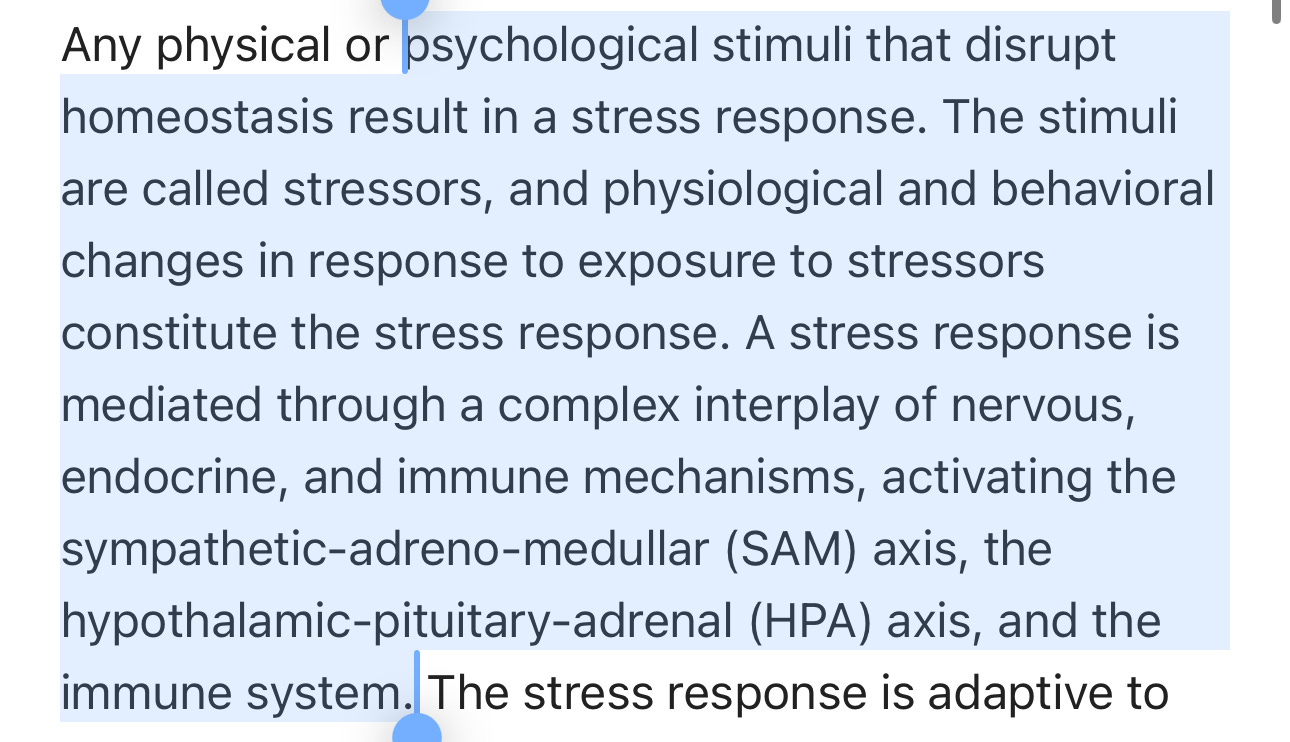
I use “trying” and “doing” as a challenge to the way we talk to ourselves. They're coaching categories, not diagnoses or literal modes of nervous-system function.
Maybe you're waiting until Monday. Maybe you think the program must be perfect before you begin. Maybe you're overwhelmed and don't know what the next step should be.
None of that means your brain is broken or that hesitation is a trauma response. There are real reasons people struggle to start, including pain, stress, lack of resources, uncertainty, or health conditions.
My question is: can we identify one manageable action that moves you forward?
Doing doesn't mean forcing through pain or ignoring professional advice. It means moving from a vague intention to a clear, appropriate task.
Clarity is power. And action gives you information that thinking alone cannot.
You don't need to repeat a bad plan indefinitely. Good practice includes feedback and adjustments. As you develop a skill, you can change the task, the intensity, or the environment to match your progress.
That's one reason I value structure over chaotic effort. We're not just collecting repetitions—we're learning how to use them.
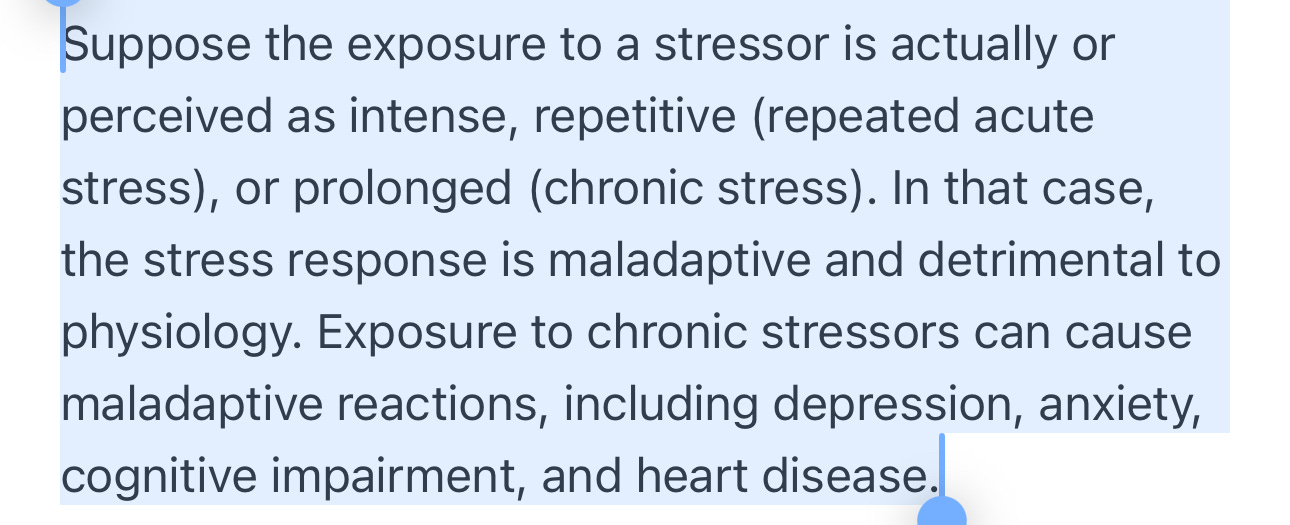
I sometimes make this point through a simple conversation with clients. I ask them to imagine the instruction, “Try to punch me.” Most people hesitate or choose not to act, and then we talk about the difference between the instruction, the decision, and the action.
The lesson isn't about actually hitting anyone. It's that language can be vague. When the objective isn't clear, the response often isn't clear either.
So we replace the ambiguity with a defined training task: practice a controlled reach, perform an appropriate squat variation, or take a short walk. It's no longer a debate about effort. It's a step you can describe and repeat.
One rep isn't transformation. But it can be the beginning of practice.
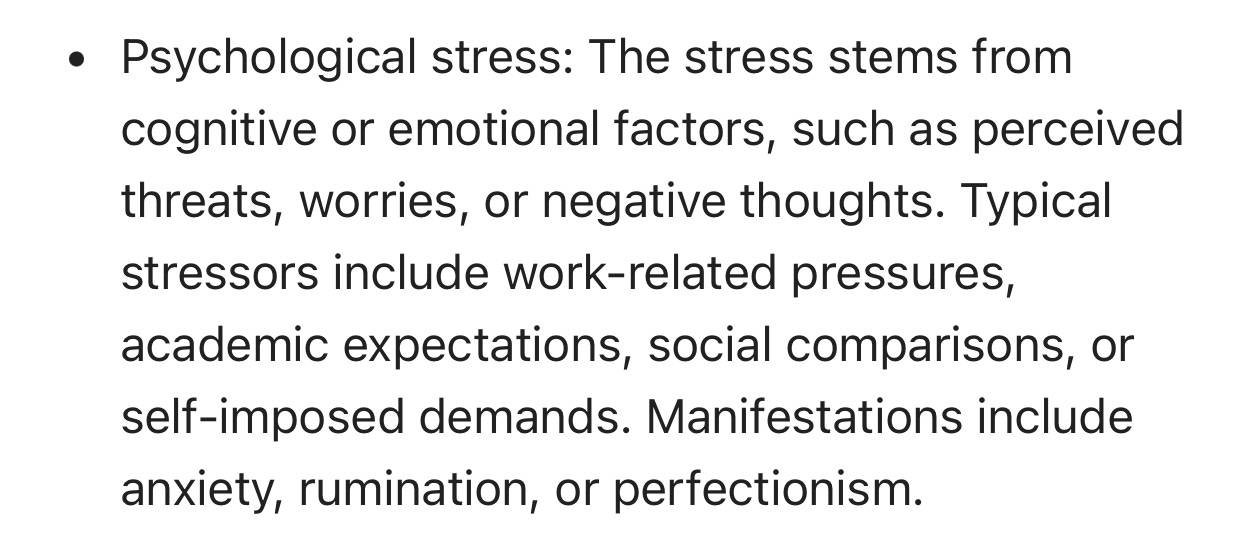
One of the people I've worked with was recovering after surgery for a significant fracture. He was frustrated and uncertain about the way forward. In our conversations, I challenged him to stop measuring progress only by the phrase “I'm trying to heal” and to focus instead on the rehabilitation activities he was actually cleared to perform.
In my original telling, I described progress over days and weeks: movements that became more comfortable, then a gradual return of range and strength work. That experience mattered to him, and it reinforced why I value an actionable plan.
But we have to separate the story from the clinical facts. Fractures heal through biological processes that depend on the injury and medical management. Appropriate activity during recovery must follow the surgeon's and rehabilitation professional's instructions, including restrictions on weight bearing and range of motion.
A coaching mindset does not accelerate bone healing on command, and it does not replace postoperative care. What it can do is help someone follow an appropriate plan consistently and stay engaged with the process.
That's what I want people to remember: take the next appropriate action, then reassess.
In my coaching, I use three words to explain the progression from intention to practice. These are metaphors for behavior, not scientifically established states such as “high-cortisol trying mode” or “low-cortisol doing mode.”
That's my teaching framework. The nervous system supports learning from practice, but no single phrase directly determines myelin changes, recovery, or physical transformation.

You don't need a dramatic overhaul to begin. Here's a simple version of the approach I encourage people to use.
What are you actually working toward? Better everyday movement? Returning to a sport? Building strength? Improving consistency with physical activity? The target should make sense for your life.
Select a task matched to your current capacity. That might be a ten-minute walk, two carefully chosen exercises, or an appointment with a professional who can assess a persistent problem.
Use an if-then plan: “After I finish work on Tuesday, I'll do my planned movement session.” The more specific the cue, the easier it may be to act on your intention.
Start where you are. Choose a manageable challenge, focus on the quality of the task, and avoid treating every missed session as a failure.
Was the plan realistic? Did something hurt? Do you need more rest, instruction, or support? Adjust the plan instead of repeating a method that doesn't fit you.
If you're interested in my focus on movement and body awareness, read Posture Is the Gateway. For the bigger training philosophy, explore Be Fit, Be Ready.
Here's the mistake I don't want anyone to make: hearing “do or do not” and thinking it means never slowing down. Rest is part of training. Asking for help is action. Changing direction when something isn't working is action, too.
Sometimes the smartest decision is to do less today so you can be ready for what matters tomorrow. That's not giving up. That's preparation.
The objective is high-quality input: useful practice, the right challenge, enough recovery, and a plan that moves with your real life.
That's why I've written about Movement Is Your Metabolism and The Nervous System Is the Operating System. They explain how I connect training, daily activity, and movement skills.
Yes. Repeated, appropriately structured practice can support motor learning. The nature of the task, feedback, and practice conditions all influence improvement; it isn't simply a matter of doing as many repetitions as possible.
No. The phrase itself is not known to trigger a damaging biological state. Taylor's “do or do not” idea is a motivational framework about making plans specific and acting on them.
Set a realistic goal, choose a manageable action, and specify when and where it will happen. An if-then plan can help bridge the gap between an intention and behavior. If symptoms, injury, or emotional difficulties are barriers, individualized support may help.
There is no basis for promising that a mindset shift alone accelerates bone healing. After a fracture or surgery, follow the treating team's instructions about movement, weight bearing, and rehabilitation.
Don't wait until every variable is perfect. Be clear about what matters, decide on the next appropriate step, and give yourself a chance to practice it.
I'm not here to sell you another motivation speech. I'm here to challenge you to put structure behind your intentions. Stop trying. Start doing. Keep doing.
That's the mindset behind the T Rice Fitness Method: consistent input, intelligent movement, and responsibility for what you can control.
Choose. Act. Learn. Repeat.
If you want a structured approach built around your individual needs, explore 1:1 Training at T Rice Fitness.
— Taylor J. Rice
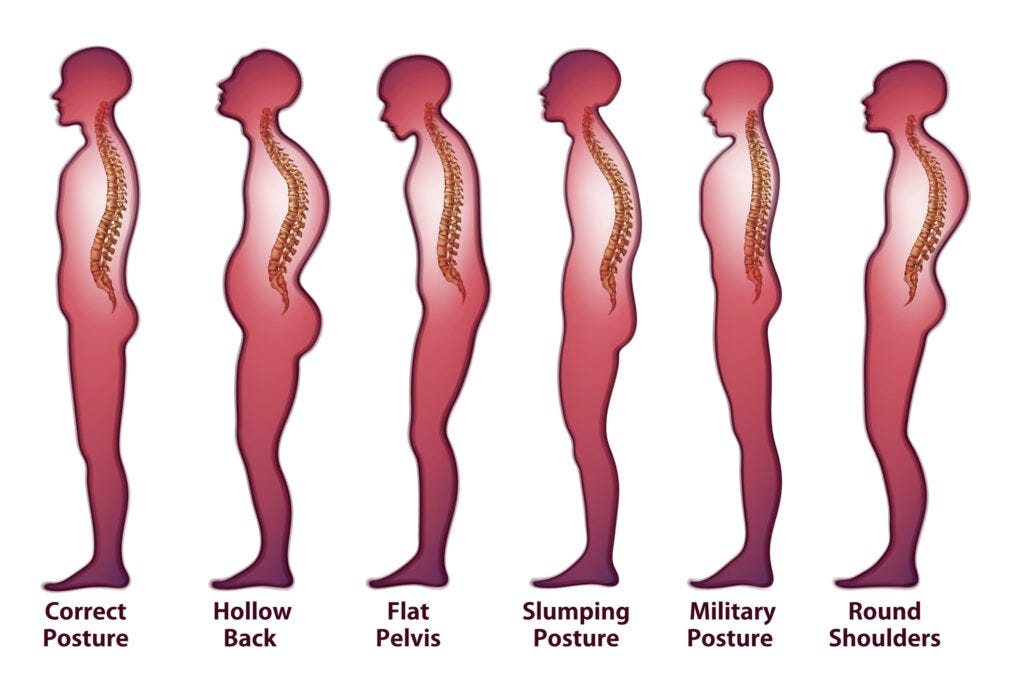
Explore Taylor Rice’s Tissue Hydration program for another perspective on movement and physical awareness.





Access your optimal performance. Live pain free.