

By Taylor Rice | T Rice Fitness
You've eliminated the word “try” from your vocabulary. Now it's time to act.
One of the first things I want people to pay attention to is posture. Not only because of how it looks in a mirror, but because of what your position, breathing, and movement can tell you about your habits. Remember, we are creatures that adapt to our environments.
Most of us want more energy, clarity, performance, and confidence in our bodies. My starting point is simple: learn how your body moves before demanding more from it. I call posture a gateway into that awareness—not a magic position that automatically fixes your nervous system or hormones.
In this article, I'm breaking down my approach to posture and sharing practical ways to build movement awareness, strength, and a more sustainable routine.
Most people treat posture as a pose: sit up straight, pull the shoulders back, look in the mirror, and call it fixed. Some completely ignore how they sit, stand, breathe, and move through the day.
But posture isn't only what you see. It changes as you walk, reach, lift, rest, work, and compete. Your muscles, joints, and nervous system coordinate all of those positions. That's what interests me.
Here's my perspective: misalignment can feel like miscommunication when the body is struggling to coordinate movement. That doesn't mean a slouched spine constantly sends a danger signal to the brain. Research does not identify one universal “perfect posture,” and normal differences in spinal shape aren't by themselves evidence of damage.
Instead of chasing symmetry for its own sake, I want you to notice whether you feel comfortable, capable, and able to change position when needed. That is where we can start asking more useful questions.
Your spinal cord carries signals between the brain and much of the body. Meanwhile, sensory information from muscles, joints, and other tissues helps the nervous system monitor position and movement.
Posture, breathing, and movement interact. The way you position your trunk can change how a task feels, how much effort it takes, and which muscles you recruit. For some people, exploring more comfortable positions makes breathing or movement feel easier.
Here's an important distinction: posture alone has not been shown to reliably raise or lower testosterone, cortisol, or melatonin. It is also not enough to diagnose the cause of fatigue, digestive issues, or pain. Those involve many systems and deserve careful evaluation when symptoms persist.
My goal is not to convince you that one position is dangerous. It's to help you build awareness, control, and options as you move. Sometimes less tension and better coordination are more valuable than trying to hold a rigid “correct” pose all day.
Let me tell you about a close friend of mine. One of the things that always brought us together was soccer. We shared the same mentality: compete, push ourselves, and enjoy the sport.
But he had been struggling with severe back pain. He told me he had two herniated discs in his lumbar spine. Eventually the pain interfered with standing, working, and everyday life. He was also consulting doctors and surgeons about treatment options, including surgery.
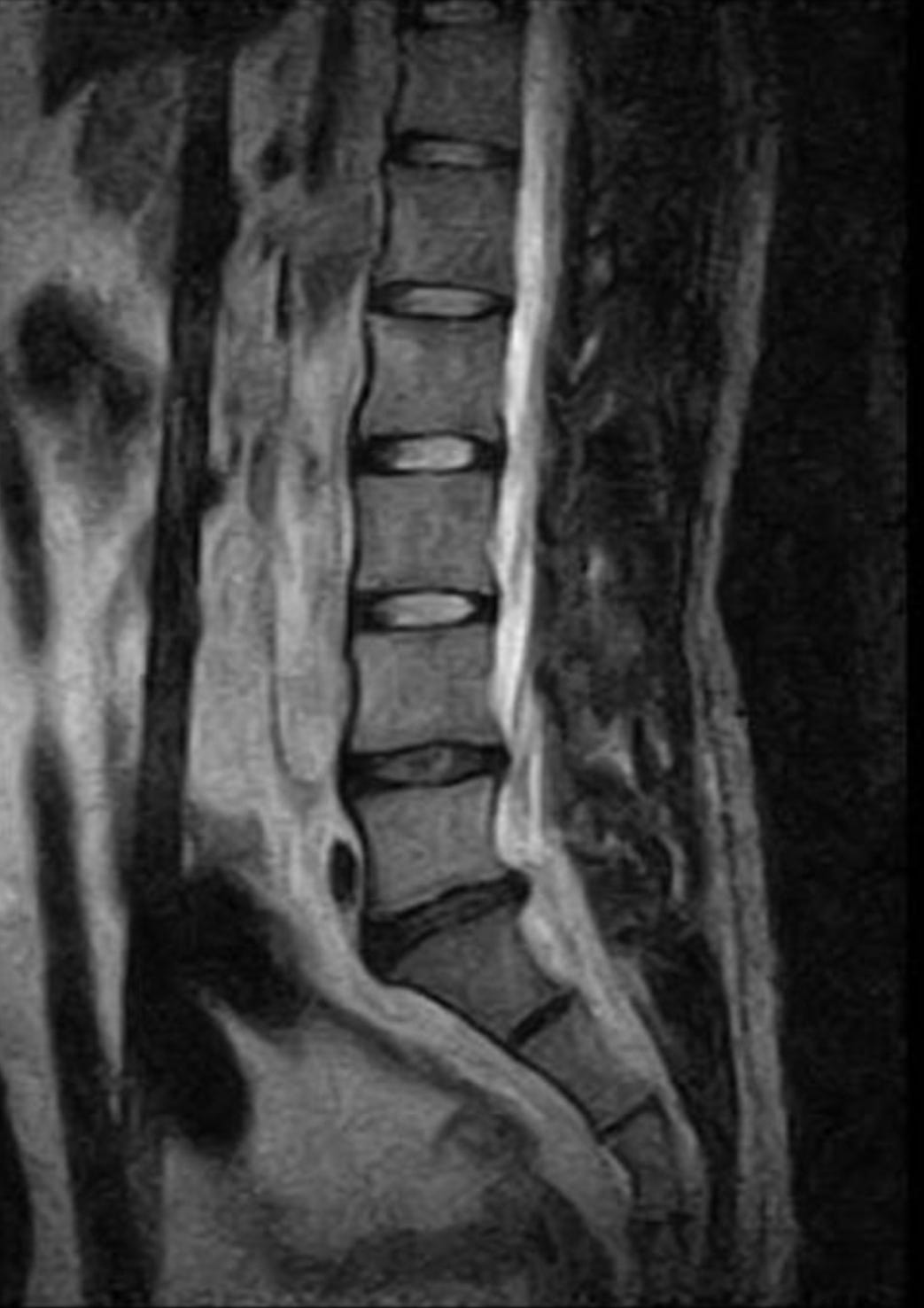
As I remember it, we began working together on a structured approach to movement, posture awareness, and gradually regaining confidence with physical activity. I often talk about rebuilding the structure; in practical terms, our focus was on what he could comfortably do and how to progress without treating every movement as a threat.
He reported improvements in his symptoms during that early period. He also sought medical opinions. According to his account, the clinicians involved reassessed his situation and he continued with a non-surgical course of care.
Over the following months, he told me he was moving more comfortably and becoming more active. Eventually he returned to activities he loved, including soccer and other sports. For me, that return to independence was the meaningful result.
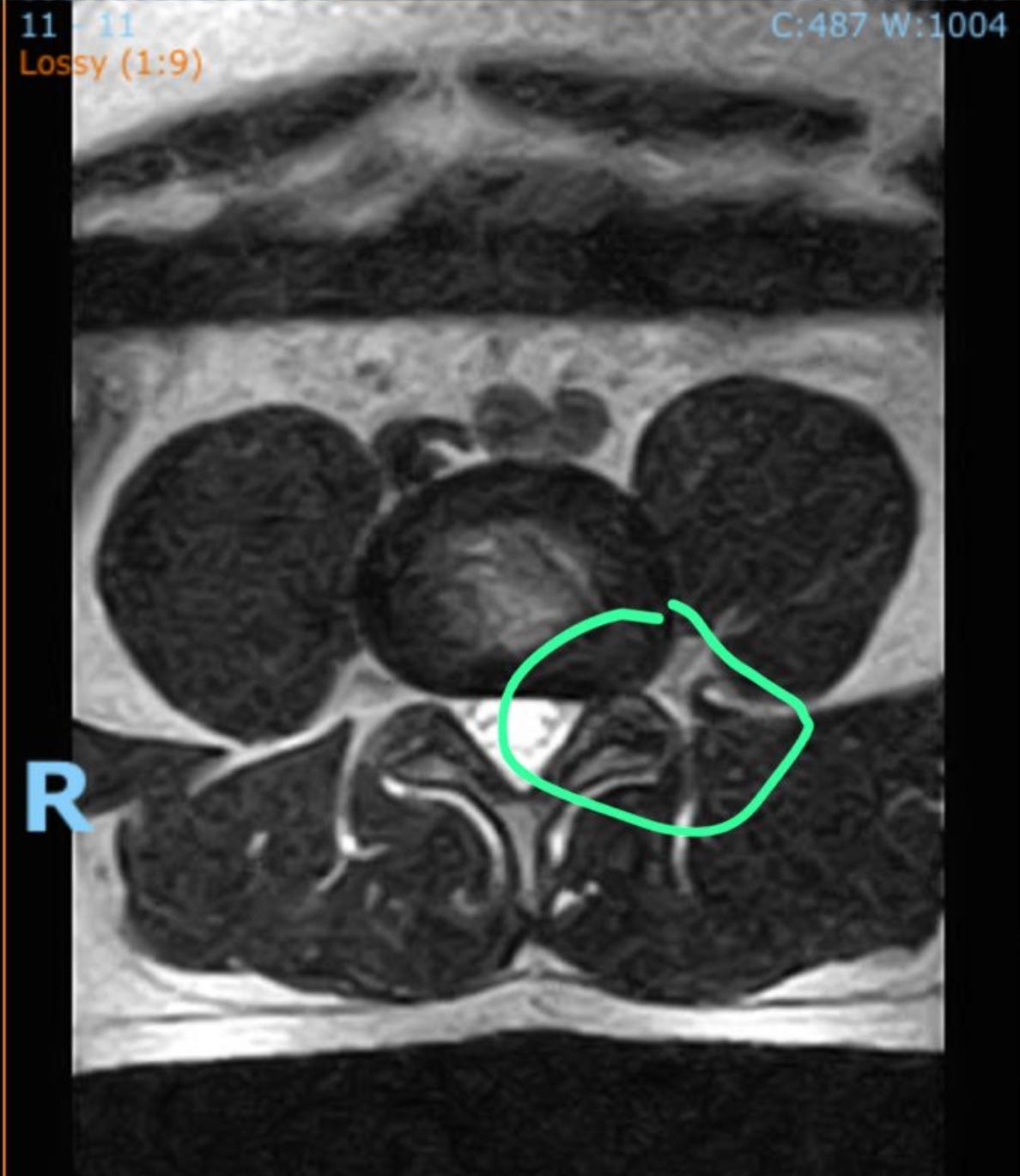
A note about this story: This is a personal account from my coaching experience, not a controlled clinical study or proof that a training program healed a herniated disc. We cannot determine disc healing without appropriate medical evaluation, and a decision to delay or avoid surgery belongs with the patient and qualified treating clinicians. People with severe or worsening symptoms should not substitute an exercise blog for medical advice.
The principle I take from the experience is simple: structure, trust, time, and appropriate progression matter.
I use a three-part framework when helping people explore posture. These are coaching concepts, not a universal treatment protocol.
Before we change anything, we need to observe. How do you stand when you're relaxed? How do you breathe? What happens when you walk? Can you change positions comfortably?
There isn't one test that can diagnose the reason for back pain or identify a perfect posture. These exercises are tools for awareness.
Next, explore movements that feel appropriate for your current capacity. Gentle thoracic mobility, comfortable hamstring movements, changing sitting positions, and relaxed breathing can all be options.
I often combine a comfortable neutral stance with breathing practice. The idea is to notice unnecessary bracing and discover alternative movement strategies. “Decompression” is a term I use in coaching, but a brief mobility drill doesn't literally open the spine or prove that a disc has moved back into place.
If a movement aggravates symptoms, don't push through it. Reduce the intensity, modify it, or ask a qualified professional what is appropriate.
Awareness needs to become action. Depending on the person, I may use strength and movement drills such as split-squat variations, controlled neck movements, thoracic extensions, and supported positions for breathing practice.
These are not one-size-fits-all prescriptions. Technique and progression should match the person, especially if they have a history of back or neck problems. The aim is to improve the ability to move with confidence and control across different positions.
This is where the principle Be Fit, Be Ready comes in: prepare your body for the activities you want it to do, rather than waiting for trouble before paying attention.
Below is an accessible adaptation of the daily structure I teach. Start gently and adjust to your own abilities; you do not need to follow it perfectly or perform an exercise that causes pain.
Repeat as often as it is practical. Consistency and variety matter more than forcing a precise posture. When needed, a clinician or qualified trainer can help you choose an appropriate routine.
Your body doesn't stop adapting when you're sitting in meetings. A strategy that includes movement breaks, variation, and sensible training may be more useful than trying to sit perfectly upright for eight hours. You need a system built for your day.
Coordination, strength, mobility, and task-specific technique all matter. We can work on how you position and load your joints during training, but no single alignment guarantees more power or prevents every injury. Training should prepare you for the demands of your sport.
You deserve individualized care and a plan matched to your symptoms. Persistent or severe pain isn't evidence that you're simply “out of position.” Exercise and education can help some people with certain back-pain conditions, while others may need medical assessment or different treatment.
Start with awareness, change positions regularly, remain physically active, and build strength and movement confidence. The goal is not to hold one perfect pose all day. If you have pain or a medical condition, seek individualized guidance.
Back pain is complex. Evidence does not support a simple claim that one “bad” sitting or standing posture inevitably causes it. Some positions may aggravate existing symptoms, and varying your activity and movement can help.
Posture, movement, and breathing interact with many body processes, but there is no reliable evidence that correcting posture alone resets cortisol, testosterone, or the nervous system. Claims about hormonal disorders require proper clinical evaluation.
Many people improve without surgery, but treatment decisions depend on symptoms, neurological findings, and medical assessment. Do not delay recommended treatment because of an online success story. Seek urgent care for new bowel or bladder problems, progressive weakness, or numbness around the groin.
Posture is a gateway into how you move, and movement is where all of this comes together. Next, explore how walking, everyday activity, and thoughtful training fit into the bigger picture in Movement Is Your Metabolism.
For personalized movement coaching, learn more about 1:1 Training at T Rice Fitness.
Stop treating posture as a static hold. Start treating it as an opportunity to understand how your body moves. Be Fit, Be Ready.
Explore Taylor Rice’s Tissue Hydration program for another perspective on movement and physical awareness.



Access your optimal performance. Live pain free.